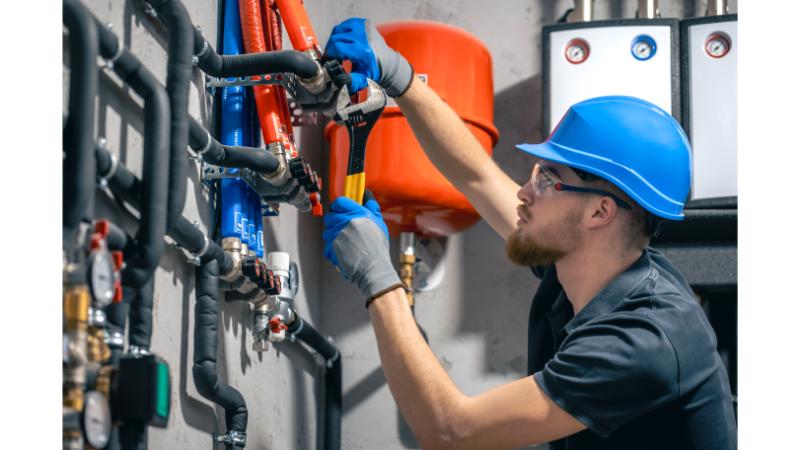
Most people use hot water every day without thinking about how it is actually produced and delivered so quickly and consistently. Behind this simple convenience is a system designed with carefully coordinated components that work together to heat, store, and distribute water throughout your home. In many cases, understanding this process also helps homeowners recognize when it might be time for replacing hot water system before performance starts to decline.
It’s Not Just About Heating Water
A common misconception is that hot water systems only heat water on demand. In reality, many systems rely on a combination of storage, insulation, and controlled heating cycles. This ensures that water remains at a steady temperature and is ready whenever it is needed, without excessive energy use.
Storage Tanks Do More Than You Think
In traditional systems, storage tanks play a crucial role in maintaining hot water supply. These tanks are heavily insulated to minimize heat loss over time. This means water can stay warm for long periods even when not actively being reheated, making the system more efficient than it may appear at first glance.
Temperature Control Is Constantly Active
Hot water systems are not static; they continuously monitor and adjust temperature levels. Built-in thermostats ensure that water does not overheat or cool down too much. This automatic regulation helps maintain comfort while also improving safety and energy efficiency.
Pressure Plays a Key Role in Performance
Water pressure is essential for ensuring consistent flow throughout the home. If pressure is too low, showers and taps may feel weak, while excessive pressure can strain the system. Proper balance is maintained through valves and regulators that manage flow efficiently across different outlets.
Energy Sources Work Differently
Depending on the type of system, water can be heated using electricity, gas, or even solar energy. Each method has its own process for generating heat, but the end goal remains the same—delivering consistent hot water. The efficiency and running cost often depend on the energy source chosen.
Insulation Helps Save Energy
One of the most overlooked aspects of hot water systems is insulation. Without it, heat would escape quickly, forcing the system to work harder. Proper insulation around tanks and pipes helps retain heat for longer periods, reducing energy consumption and improving efficiency.
Wear and Tear Happens Gradually
Hot water systems do not fail suddenly in most cases. Instead, performance slowly declines over time due to sediment buildup, corrosion, or aging components. This gradual change often goes unnoticed until water temperature becomes inconsistent or energy bills increase.
Regular Use Impacts Lifespan
The more frequently a system is used, the more strain it experiences. Homes with high water demand may notice performance changes sooner than smaller households. Routine maintenance helps extend lifespan, but eventually all systems require evaluation and possible upgrades.
Knowing When Replacement Becomes Necessary
There comes a point when repairs are no longer cost-effective. Reduced efficiency, inconsistent heating, and frequent breakdowns are all signs that a system may need to be upgraded. At this stage, planning for replacing the hot water system becomes a practical decision rather than a reactive one. Hot water systems are more complex than they appear, combining multiple components that work together to deliver everyday comfort. Understanding how they function not only helps in using them more efficiently but also makes it easier to recognize when it is time for an upgrade.