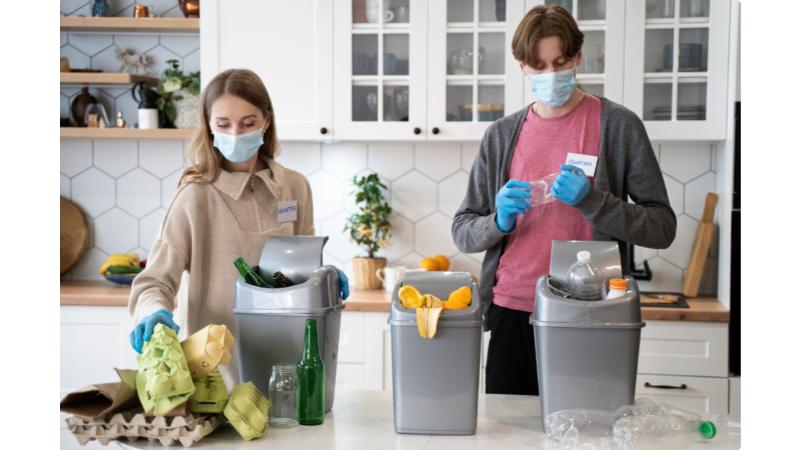
Every household produces waste on a daily basis, but most people underestimate just how much it adds up over time. From kitchen scraps and packaging to garden clippings and old household items, the volume can be surprisingly high when measured over weeks and months. Proper management using solutions like green waste skip bins brisbane can help households handle organic and general waste more efficiently while reducing environmental impact.
Understanding Household Waste Generation
On average, a single household can generate several kilograms of waste each day. This includes food leftovers, recyclable materials, general rubbish, and occasional bulky items. Over a year, this can translate into hundreds of kilograms per home, depending on lifestyle, household size, and consumption habits. Larger families or homes undergoing renovations typically produce even more.
The Role of Organic and Green Waste
A significant portion of household waste comes from organic sources such as garden trimmings, grass cuttings, and food scraps. While these materials are biodegradable, they still require proper disposal to prevent environmental issues. When not managed correctly, organic waste can contribute to landfill buildup and greenhouse gas emissions.
Seasonal Changes and Waste Volume
Waste generation is not consistent throughout the year. Seasonal factors like spring cleaning, summer gardening, and holiday periods often lead to spikes in household waste. During these times, homes may produce significantly more rubbish than usual, making structured disposal options especially useful.
Impact of Renovations and Decluttering
Home improvement projects and decluttering efforts can dramatically increase waste output in a short period. Old furniture, broken fixtures, packaging materials, and renovation debris can quickly overwhelm standard household bins. Without proper planning, this can lead to cluttered spaces and inefficient cleanup processes.
Environmental Consequences of Excess Waste
When household waste is not properly sorted or disposed of, it often ends up in landfills where it contributes to pollution and methane emissions. Reducing waste through recycling and proper segregation helps minimize environmental damage and supports more sustainable living practices.
Why Efficient Waste Management Matters
Managing household waste effectively helps maintain cleaner living environments and reduces health risks associated with accumulated rubbish. It also encourages more responsible consumption habits and ensures that recyclable materials are properly processed instead of being discarded unnecessarily.
Better Solutions for Large Waste Volumes
For households generating higher volumes of waste, especially during gardening or renovation projects, having a structured disposal system becomes essential. Organized waste solutions make it easier to separate materials and handle larger quantities without disrupting daily life.
Encouraging Sustainable Household Habits
Being aware of waste generation is the first step toward reducing it. Simple habits such as composting organic materials, recycling packaging, and reducing unnecessary consumption can significantly lower overall waste output over time.
Final Thoughts
The average household produces more waste than most people realize, and this volume increases during seasonal activities and home projects. Understanding this helps homeowners make better decisions about disposal and sustainability. With practical solutions like green waste skip bins Brisbane, managing household waste becomes more efficient, environmentally responsible, and easier to handle in the long run.