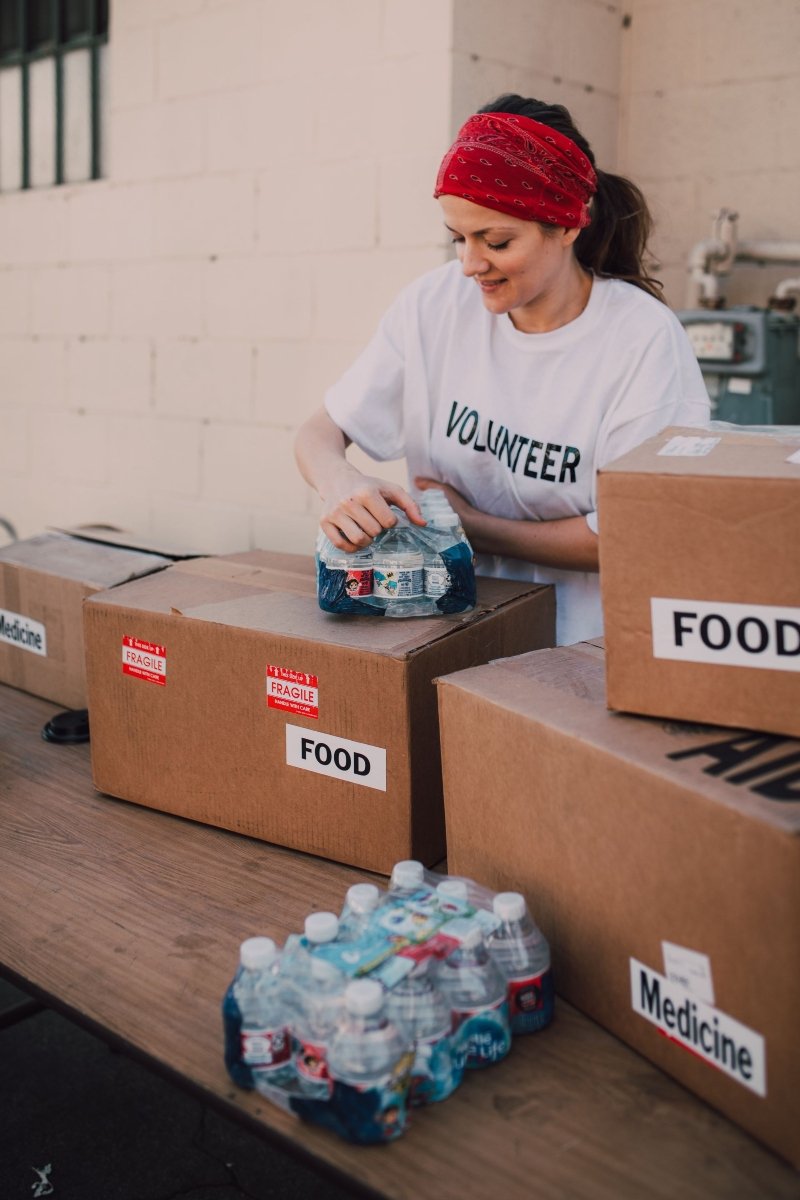
Although kindness is important every day, most individuals focus their greater humanitarian efforts or activities on holidays or significant cultural seasons since life gets hectic. It makes sense. However, this trend also highlights a crucial point: the impact increases when assistance is consistent throughout the year. Holidays like Christmas or Ramadan bring communities together for reflection and kindness, reminding people of causes that quietly continue supporting families in hardship long after the season ends. Consistent giving ends the exhausting boom-and-bust cycles, letting charities plan ahead, keep strong teams, and focus on real results instead of constant scrambling. Predictable support turns survival mode into steady progress.
Developing a regular donating practice has unexpected advantages for oneself as well. Small acts of generosity generate oxytocin, which lowers cortisol to decrease blood pressure, build immunity, improve sleep, and elevate mood and life satisfaction. Some studies even suggest it may contribute to living longer. The financial side feels better too. Dropping a modest amount automatically each month fits most budgets far more comfortably than one large lump sum during busy seasons. It becomes less of a sacrifice and more like any other positive habit similar to saving a little regularly or contributing to retirement.

Why Year-Round Giving Strengthens Communities and Individuals
Charities don’t get to take time off. Food banks deal with sudden spikes when school starts back or bad weather hits. Medical non-profits manage ongoing patient needs no matter what month it is. Environmental work and scholarship programs require funding that lasts through the slow periods as well as the busy ones. Big year-end pushes certainly help, but they often leave awkward gaps that complicate everything. The advantages of giving on regular basis are very significant for the donor as well. Regularly turning one’s attention outward breaks the vicious cycles of anxiety or overthinking that lower mood. Volunteers frequently talk about developing sincere relationships and feeling a part of something greater than themselves.
Practical Approaches to Sustained Giving
Here’s the encouraging part: none of this requires being rich. The most effective ways to give are the ones that fit naturally into everyday life. Sharing skills opens meaningful door. Someone with professional experience can build a website, offer financial guidance, or teach practical digital skills. Using existing knowledge in this way creates lasting value without requiring ongoing financial support. When it comes to money, modern tools have simplified things. Another good and practical approach of regular giving would be setting up a recurring donation. It takes only a few minutes, and many charities let people support projects that matter most to them. In recent years, recurring giving platforms and donor-advised funds have also become more common. They give people clearer views of results and room to adjust when circumstances shift.
Real-World Impact Through Steady Support
Picture a tutoring or mentoring program for kids in your area. When volunteers show up regularly instead of only during those holiday rushes the young people stay engaged longer and actually make solid, visible progress. It’s the same story with animal shelters. Steady donations mean they can keep food stocked, handle vet care, and run adoption programs without living in that constant low-level panic about whether they’ll have enough to get by. It feels a lot like tending a garden or looking after your house. One intense effort once a year can fix the urgent stuff, but it’s the regular attention that keeps everything thriving and ready when life throws curveballs.
Building Habits That Last
Starting small removes a lot of the pressure. Plenty of people begin with a modest monthly gift to a cause they already care about, then naturally increase it as the habit settles in. Some even jot down quick notes about their energy or mood alongside their giving and notice positive patterns emerge over months especially around meaningful times like Muharram. Financial advisors are paying more attention to this too. They increasingly see thoughtful philanthropy as part of overall life planning rather than just another line item. The University of Michigan Health system offers useful perspectives on the ways these actions ease personal stress while strengthening communities.
Sustaining Momentum Across Seasons
Once giving settles into the regular flow of life, the benefits start to build on themselves. Charities maintain steady programs. Individuals keep tapping into that quiet sense of purpose and connection. Communities develop real resilience that goes beyond what seasonal surges can achieve alone. More people seem to be noticing this and weaving support into their everyday routines. The change moves giving from something occasional into a natural practice that strengthens organisations, neighbourhoods, and the people who participate leaving everyone a little better balanced in daily life.