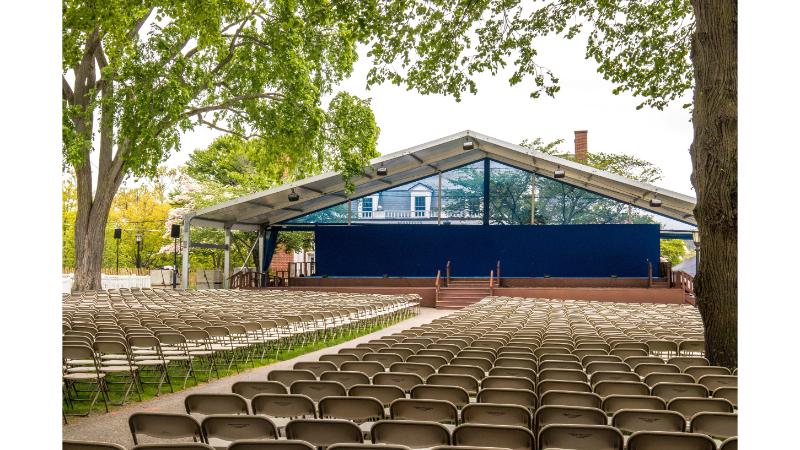
Outdoor events depend on far more than programming and promotion. Behind every successful festival, concert, or community gathering is a network of infrastructure that supports how people move, interact, and experience the space. From sanitation and waste management to lighting, access routes, and crowd flow, infrastructure decisions shape whether an event feels organized and comfortable or strained and chaotic.
For event planners, understanding the role of infrastructure is essential to creating environments that function smoothly from setup through breakdown.
Defining Infrastructure in an Event Context
In outdoor events, infrastructure refers to the temporary systems and physical elements that support attendees, staff, and vendors. Unlike indoor venues, outdoor spaces typically lack built-in amenities, which means planners must create a functional environment from the ground up.
This includes restrooms, waste stations, power distribution, water access, signage, fencing, and pathways. Each component must be coordinated with the others to create a cohesive layout that supports both operations and attendee experience.
When infrastructure is planned thoughtfully, it becomes largely invisible to attendees. When it is overlooked, it quickly becomes noticeable.
Supporting Crowd Flow and Movement
One of the most critical roles of infrastructure is managing how people move through the event space. Entry points, exit routes, pathways, and gathering areas all influence crowd behavior. Poorly planned layouts can lead to congestion, long wait times, and safety concerns.
Event planners often design flow patterns that guide attendees naturally between key areas such as stages, food vendors, and restrooms. Temporary barriers, signage, and clearly defined walkways help maintain these patterns.
Infrastructure that supports smooth movement allows guests to navigate the event without confusion or delay.
Providing Essential Amenities
Amenities are a central part of event infrastructure. Access to restrooms, seating, shade, and hydration directly affects how comfortable attendees feel during the event. Without these elements, even well-produced events can leave a negative impression.
Sanitation, in particular, requires careful planning. Event planners often coordinate with providers such as Rent Porta Johns to ensure restroom access aligns with expected attendance and event duration. Those exploring setup options can learn more about how sanitation infrastructure is typically structured for outdoor gatherings.
Providing sufficient amenities helps reduce congestion and supports a more enjoyable experience.
Managing Waste and Cleanliness
Waste management is another essential component of event infrastructure. Large gatherings generate significant amounts of trash in a short period of time. Without adequate disposal systems, litter can accumulate quickly, affecting both aesthetics and safety.
Planners typically distribute trash and recycling stations throughout the venue and coordinate regular collection to prevent overflow. Positioning these stations near high-traffic areas such as food zones and seating areas helps encourage proper use.
Maintaining cleanliness supports both the visual appeal of the event and the comfort of attendees.
Coordinating Power and Utilities
Many outdoor events rely on temporary power systems to support lighting, sound equipment, vendor operations, and other essential functions. Generators, electrical distribution, and cable management must be planned carefully to ensure reliable service without interfering with movement across the site.
Water access may also be necessary for food vendors, sanitation servicing, or hydration stations. Coordinating these utilities as part of the infrastructure plan helps prevent disruptions during the event.
Reliable utilities are often unnoticed when they work well but quickly become a problem when they fail.
Planning for Safety and Compliance
Infrastructure plays a key role in maintaining safety and meeting regulatory requirements. Emergency access routes, fire lanes, and crowd capacity limits must all be considered when designing the event layout.
Lighting is also an important safety element, particularly for events that extend into the evening. Well-lit pathways and gathering areas help reduce the risk of accidents and improve overall visibility.
Working within local guidelines while maintaining a functional layout requires careful coordination between planners, vendors, and local authorities.
Adapting to Changing Conditions
Outdoor events are subject to changing conditions, including weather and fluctuating attendance. Infrastructure must be flexible enough to adapt to these variables. For example, additional shade or shelter may be needed during extreme weather, while crowd surges may require adjustments to flow patterns or service areas.
Planning for these possibilities in advance helps event teams respond more effectively when conditions change.
Flexible infrastructure supports a more resilient event environment.
Supporting Vendor and Staff Operations
Infrastructure is not only for attendees—it also supports vendors and staff who keep the event running. Food vendors require space, power, and waste management, while staff need access to staging areas, storage, and communication points.
Designing infrastructure that supports these operations helps ensure that behind-the-scenes activities run smoothly. When vendors and staff can operate efficiently, the overall event experience improves for attendees.
Coordinating these elements is a key part of successful event planning.
Infrastructure is the foundation of any successful outdoor event. While entertainment and programming may draw attendees in, it is the underlying systems that determine how smoothly the event functions. From sanitation and waste management to crowd flow and utilities, each element plays a role in shaping the overall experience.
By approaching infrastructure as a core component of event planning rather than an afterthought, planners can create environments that feel organized, comfortable, and well-managed from beginning to end.